East End History
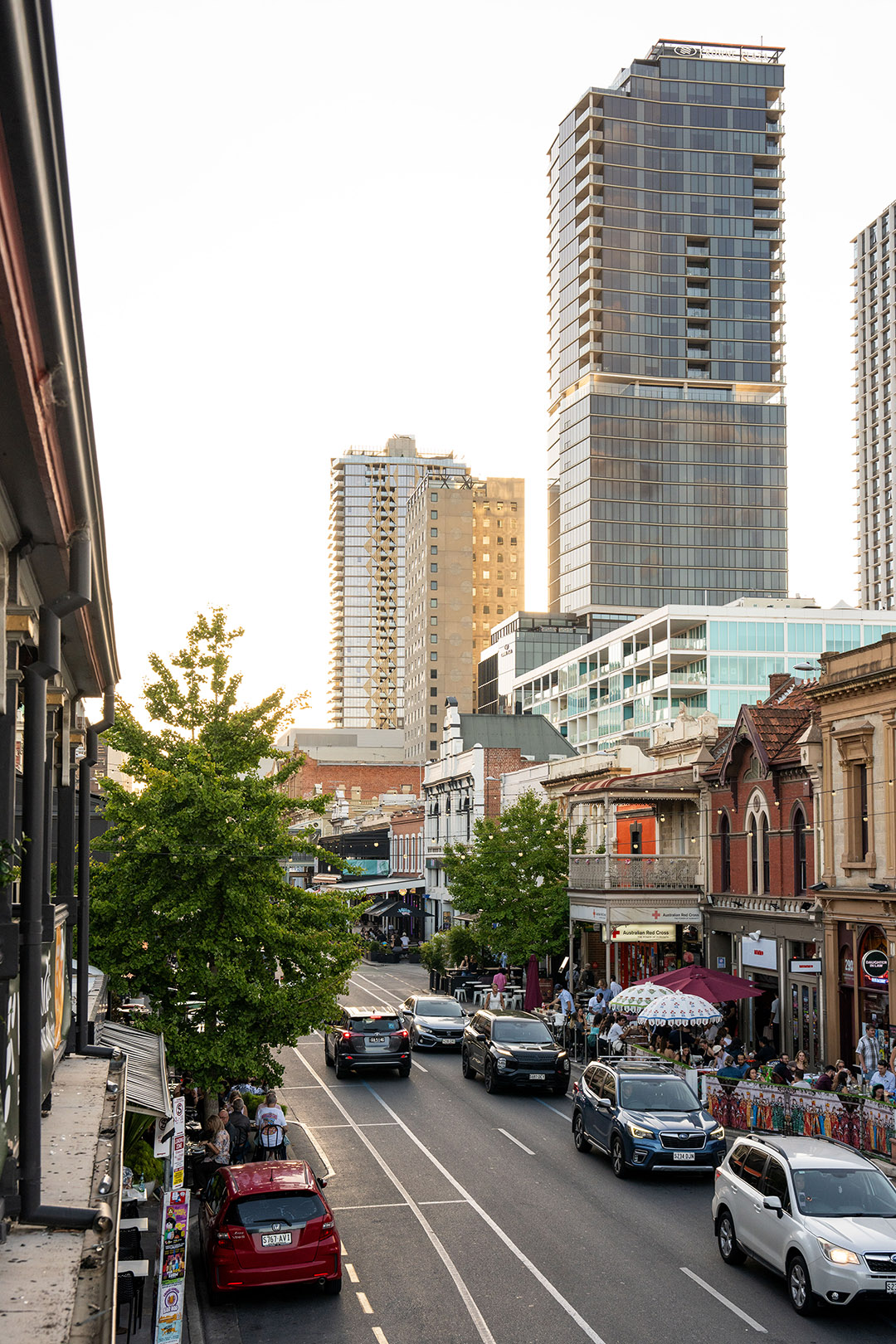
Shaped by generations of community, Rundle Street East has long been a place to gather, trade and celebrate. Continue below to explore the layered history that has shaped the East End into what it is today.
Scroll DOWN to explore our history

(1837)
Rundle Street Named
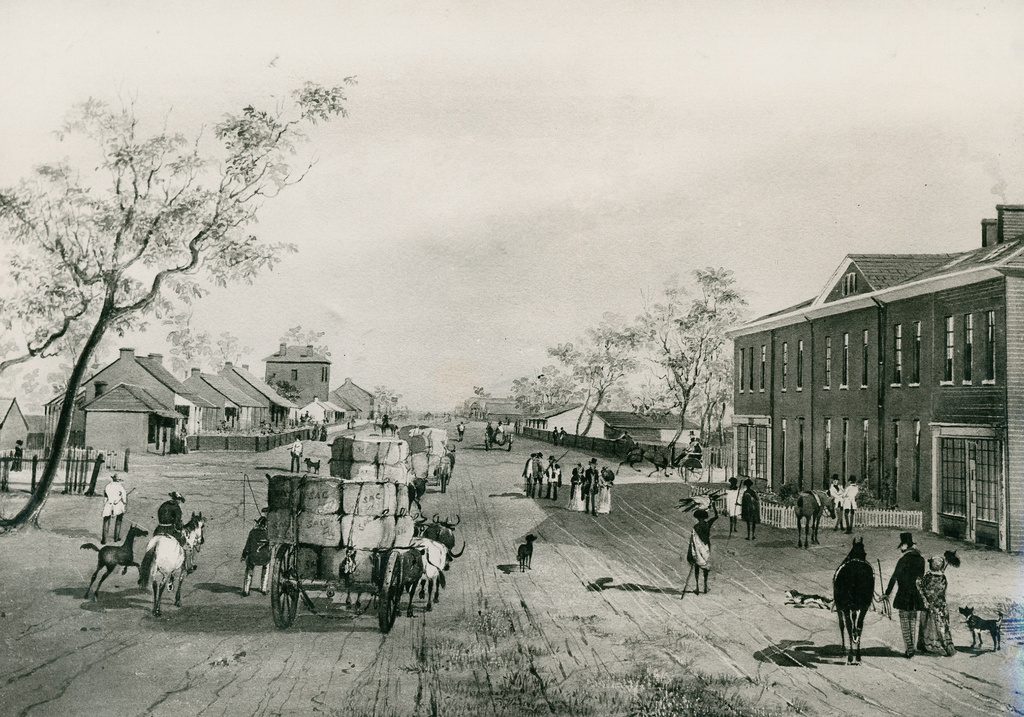
On 23 May 1837, Rundle Street is formally named after John Rundle, a Director of the South Australia Company and Member of the British Parliament, embedding it within Colonel William Light’s original plan for Adelaide. Extending east to the city’s boundary at East Terrace, its eastern end is initially defined as a transitional edge of the settlement, where the ordered grid gives way to open land beyond, positioning it to later support movement, trade and early enterprise.
(1844)
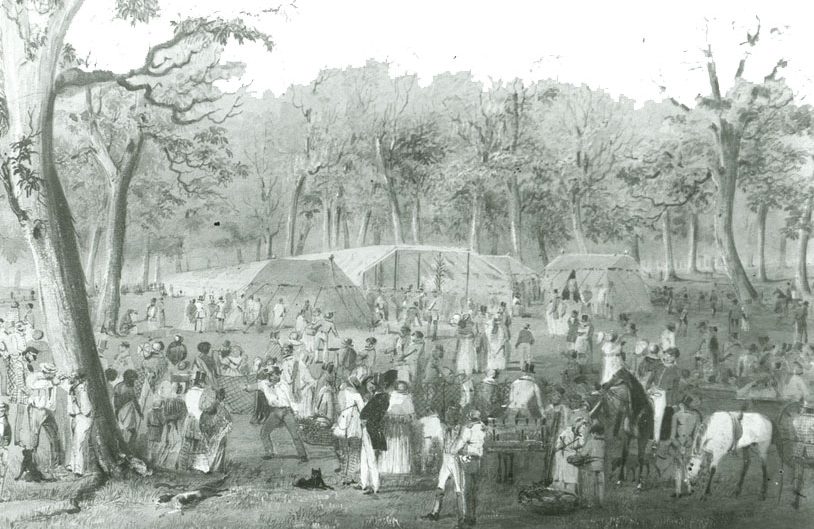
Informal Trade Emerges
By the mid-1840s, growers and traders begin congregating along East Terrace at the eastern end of Rundle Street, informally selling produce at the edge of the city. Positioned between Adelaide and the surrounding agricultural districts, the area naturally evolves as a point of exchange.
(1847)
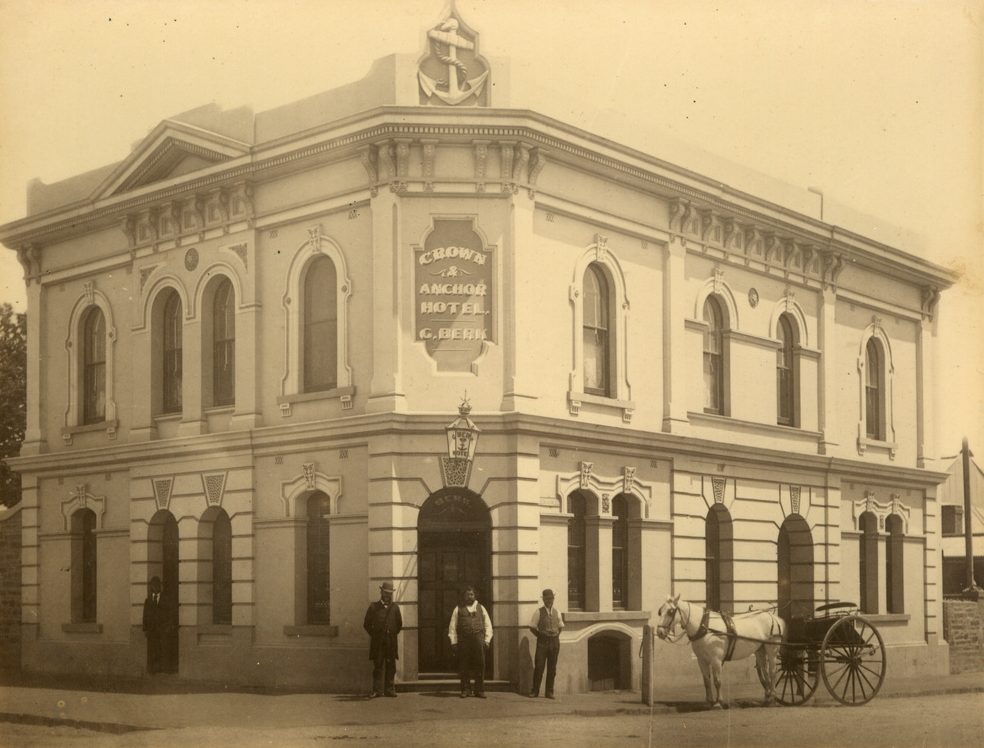
The Crown & Anchor Hotel
Originally built in 1847 as the Union Inn, the Crown & Anchor Hotel takes its current form in 1879, constructed at 196 Grenfell Street to a design by colonial architect, former Mayor of Adelaide and parliamentarian Thomas English. Later remodelled and extended in 1928 by Milne, Evans and Russell, the hotel becomes widely known as “The Cranker” and establishes a longstanding reputation as a live music venue. It is listed as a Local Heritage Place in 2001 and provisionally entered on the State Heritage Register on 26 April 2024.
(1849)
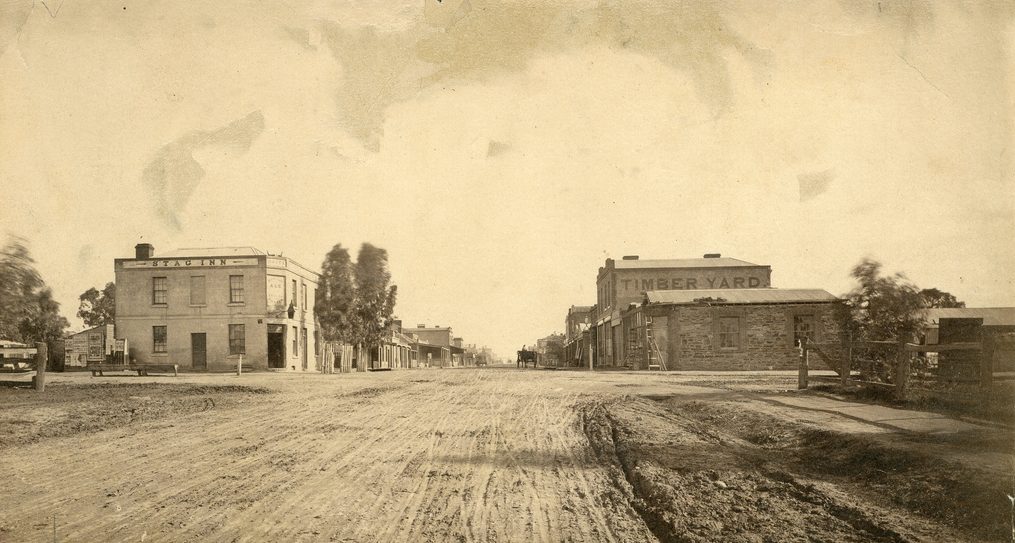
The Stag Hotel
The Stag is established at 299 Rundle Street, on the corner of Rundle Street and East Terrace, becoming one of the first permanent structures at the city’s eastern edge. Positioned within an emerging area of trade and movement, it quickly establishes itself as a meeting point for growers, traders and locals. The original inn is replaced in 1902 with a larger hotel, opened in 1903. During 1941, it also serves as a point of enlistment for the Australian Imperial Forces, and is later recognised as a State Heritage Place on 11 September 1986.
(1851)
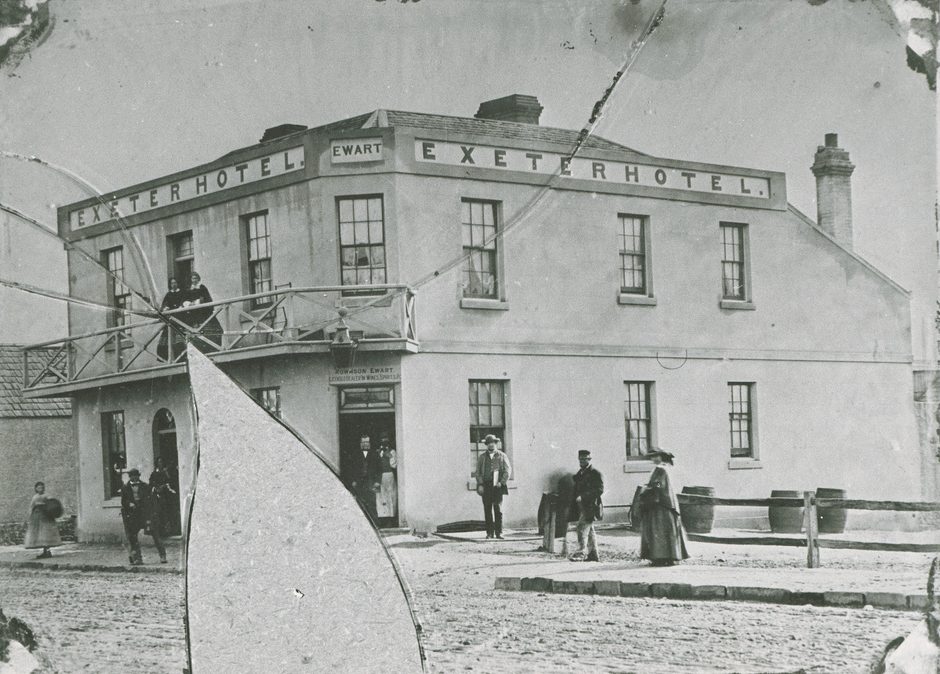
The Exeter Hotel
The Exeter Hotel is established and licensed to Robert Budford on 13 March at 246 Rundle Street, serving the growing East End market trade. The original building is replaced in 1888 with a Victorian Italianate structure, later modified through a series of renovations, including the addition of distinctive green tiles in 1929. Evolving with the precinct, The Exeter remains a longstanding hospitality presence and is listed as a Local Heritage Place by the City of Adelaide in 2001.
(1860)
Trade Intensifies on East Terrace
By 1860, East Terrace has become Adelaide’s primary trading ground for fruit and vegetables, with growers selling directly from carts at the eastern edge of the city. With no formal market in place, up to 100 vehicles converge on market days, creating congestion and disorder. Attempts by authorities to relocate trade to Victoria Square are widely resisted, reinforcing East Terrace as the centre of exchange and highlighting the growing need for a purpose-built marketplace.
(1866)
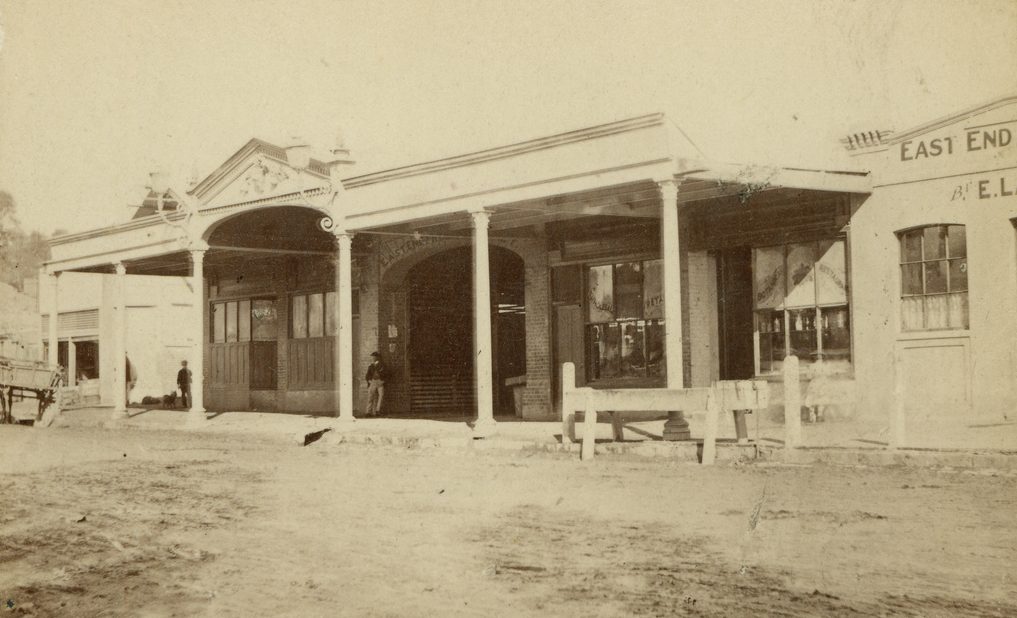
East End Market Established
Richard Vaughan formalises the East End Market by constructing purpose-built sheds on East Terrace, transforming informal produce trading into a structured marketplace. A private landowner and entrepreneur, Vaughan provides organised stands, shelter and basic infrastructure for growers, establishing the first permanent market facility in the precinct. His initiative lays the foundation for the East End’s emergence as Adelaide’s primary wholesale trading hub.
(1869)
City Market Established
Adelaide’s City Market is established in Grote Street, later becoming the Adelaide Central Market. As retail trade shifts west, the East End retains its role as a wholesale hub, continuing to serve growers and merchants operating at scale.
(1872)
East End Market Act Passed
The South Australian Government formally recognises the East End Market through the passage of the , enabling expansion and the compulsory acquisition of surrounding land. The legislation legitimises the precinct as a permanent component of Adelaide’s commercial infrastructure, driven by both private enterprise and civic necessity.
(1875)
East End Market Company Formed
The East End Market Company is established, consolidating ownership and formalising operations. The precinct evolves into a structured wholesale economy, with organised stands, increasing trade volumes and a growing role within South Australia’s food supply network.
(1880)
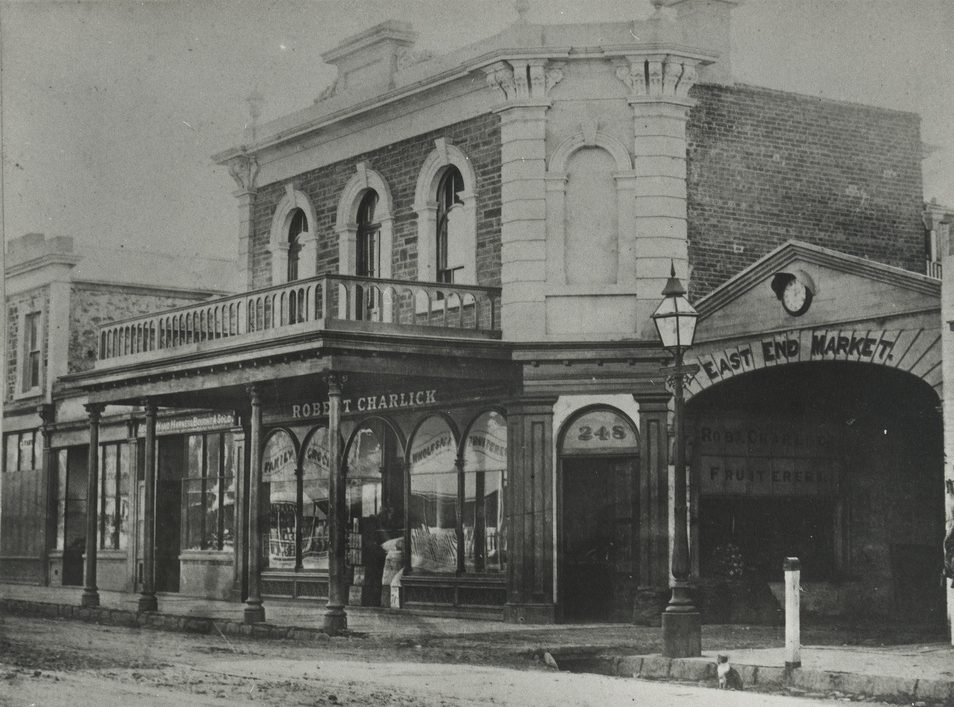
The Austral Hotel
The Austral Hotel is constructed by the South Australian Company at 205 Rundle Street, originally operating as Cohen’s Family Hotel before becoming The Austral in 1898. Serving the growing East End market trade, it becomes an early social anchor for workers and traders, and is later recognised as the first pub in South Australia to serve Coopers beer on tap. The building is listed as a State Heritage Place on 5 April 1984.
(1881)
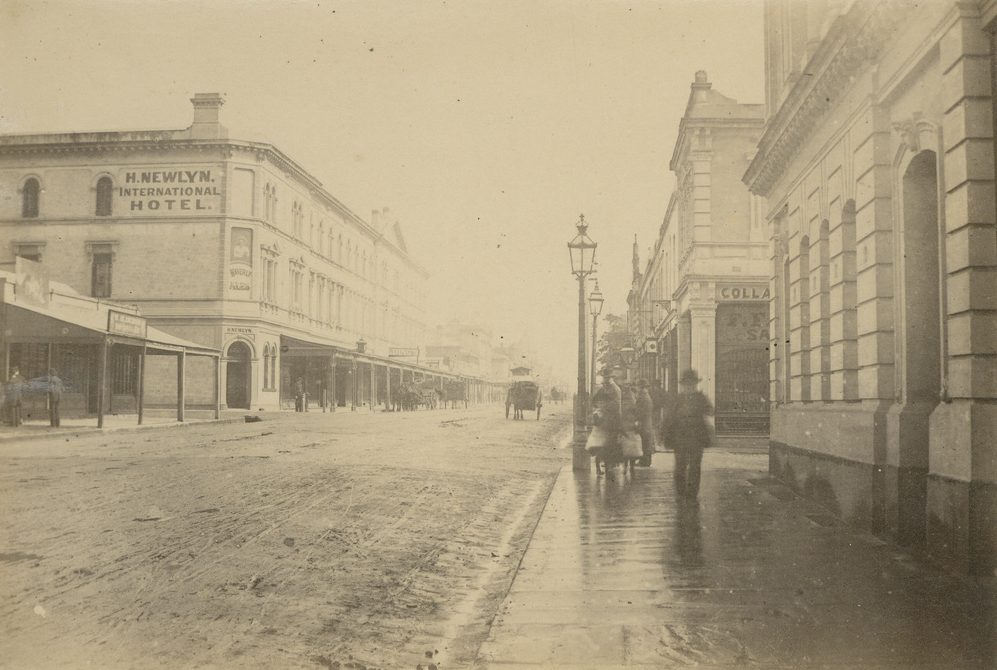
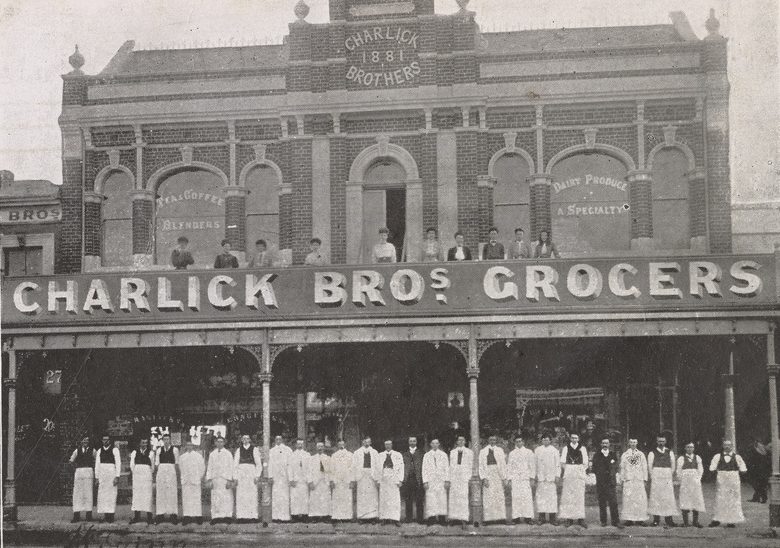
Charlick Bros. Established
William Charlick establishes Charlick Bros. within the original East End Market, building a successful fruit, potato and grocery business, laying the foundation for what would become one of the precinct’s most influential commercial legacies and a catalyst for its next phase of expansion.
(1890)
A Precinct in Transition
By 1890, the East End begins to evolve beyond its market origins. As surrounding streets urbanise, retail, services and supporting infrastructure emerge, introducing a more complex commercial character.
(1895)
Electric Street Lighting Introduced
In 1895, electric street lighting is introduced to South Australia at the intersection of Rundle, King William and Hindley Streets. Though centred further west, it reflects the rapid modernisation of Rundle Street as a key commercial thoroughfare.
(1900)
A Market Outgrown
By the turn of the century, the East End Market on the northern side of Rundle Street is again outgrowing its site, with increasing volumes of trade spilling into surrounding streets. William Charlick seeks to expand the market through collaboration with existing operators, but when negotiations fail, he begins acquiring land between Rundle and Grenfell Streets to pursue a separate, purpose-built facility.
(1901)
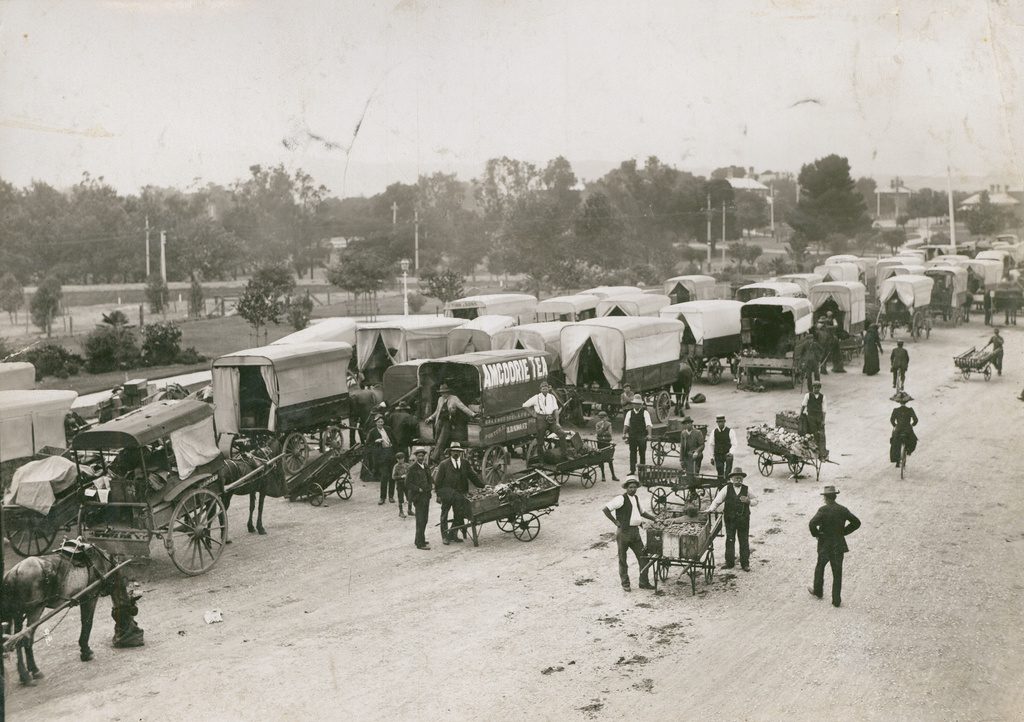
271-273 Rundle Street East
271–273 Rundle Street is developed following the purchase of the site (part Town Acre 92) by draper Charles Birks in 1900. Council approval is granted in January 1901 for the construction of a shop and dwelling, with Charlick’s grocery and produce company as the first tenant. Charlick’s later acquires the property and occupies the building until 1921, when it is sold to the English, Scottish and Australian Bank Ltd. The building is listed as a State Heritage Place on 1 November 2001.
(1903)
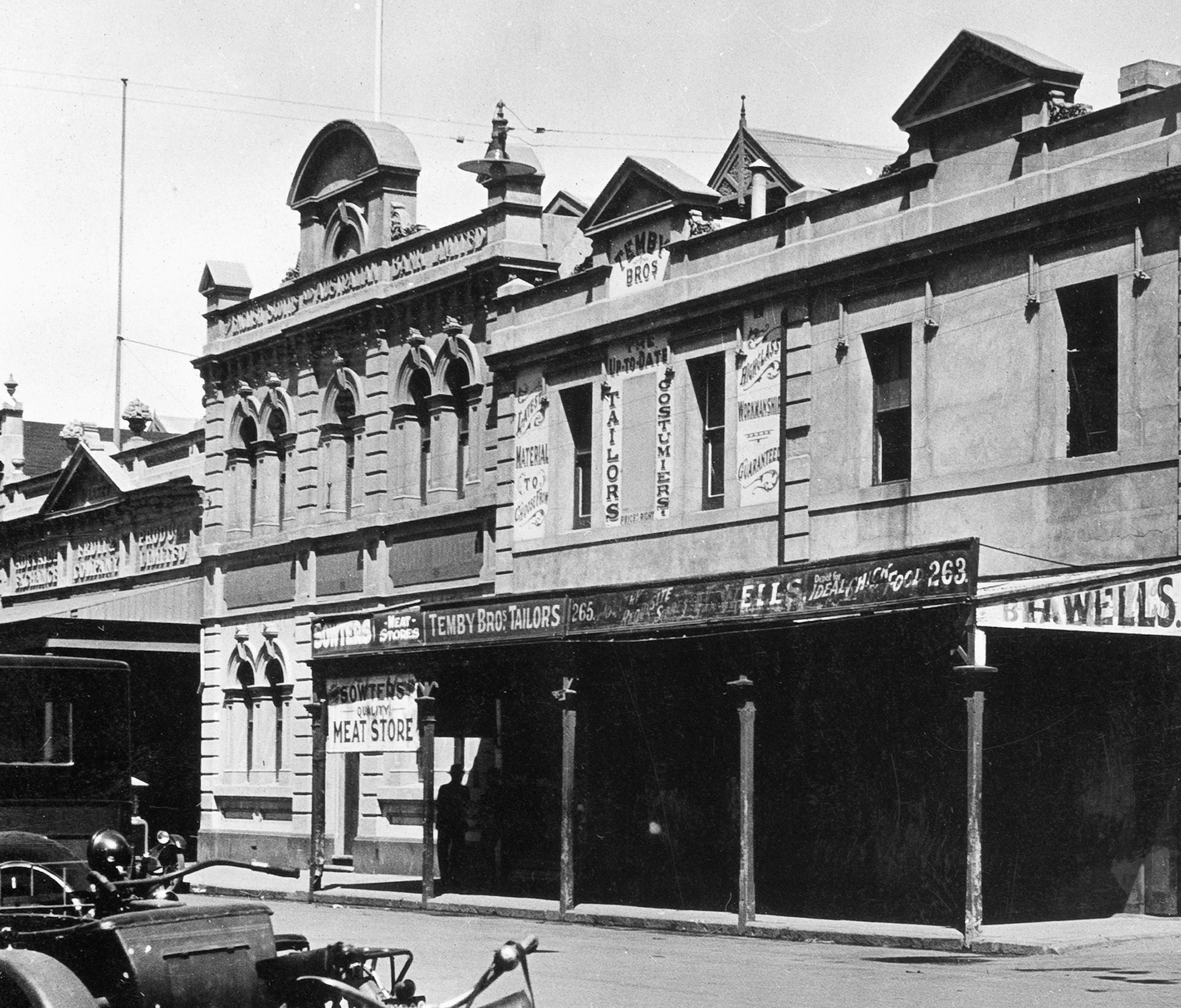
New Market Approved
William Charlick secures parliamentary approval to construct a new market between Rundle and Grenfell Streets, formalising plans for a larger, more modern wholesale trading environment.
(1904)
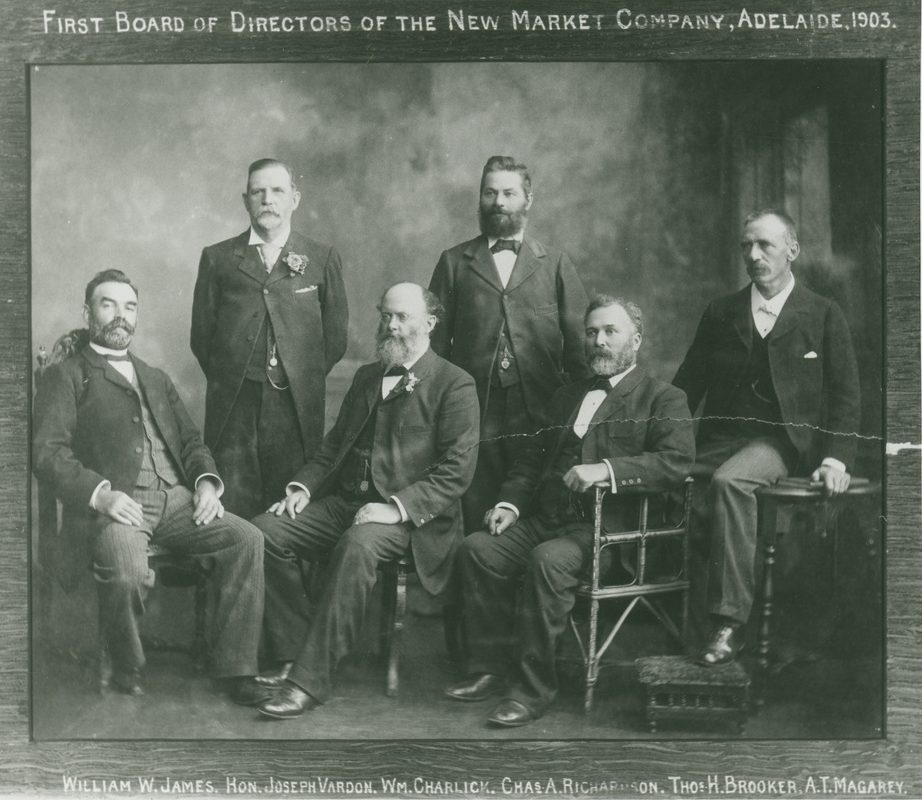
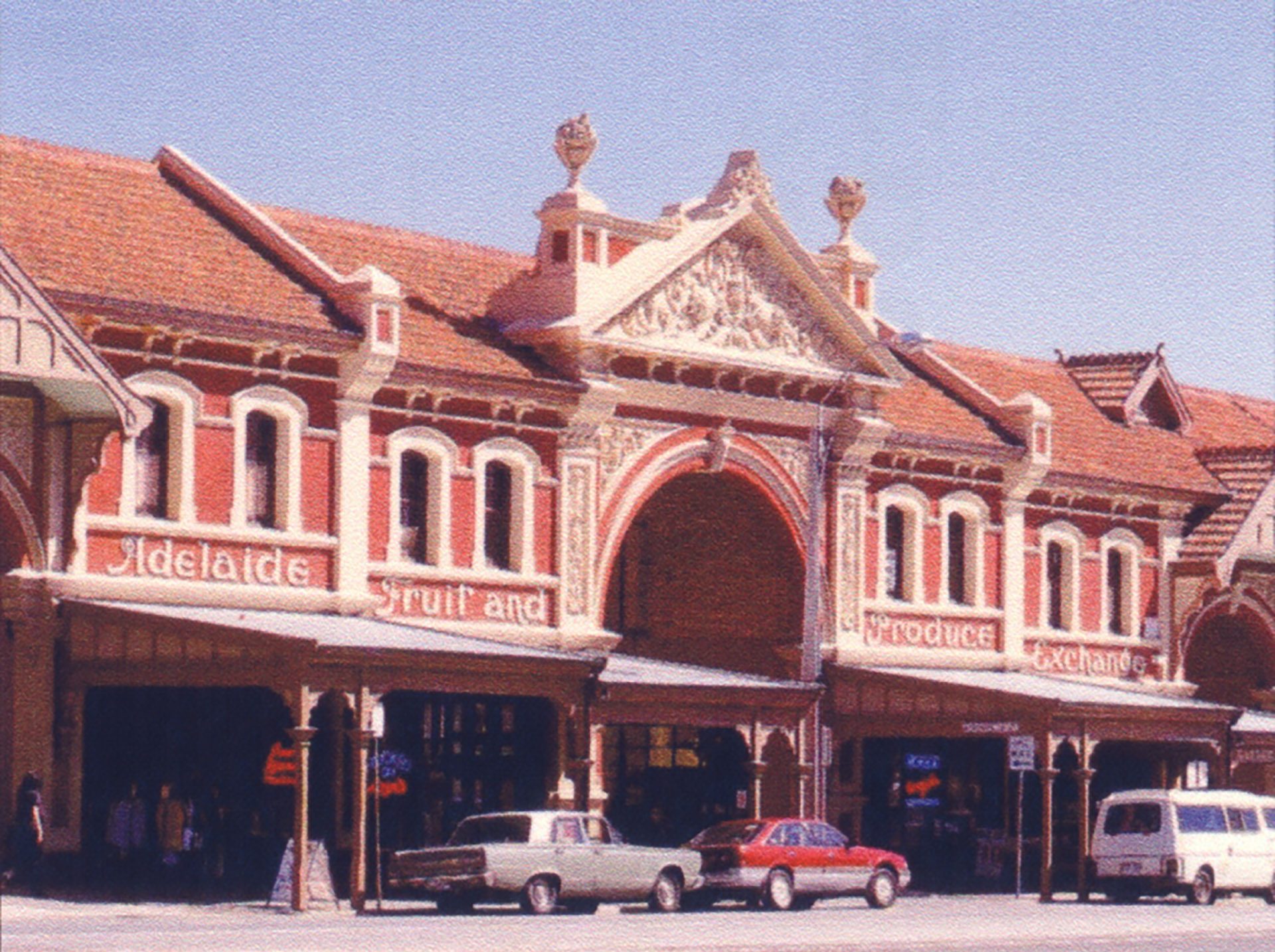
Adelaide Fruit & Produce Exchange Opens
The Adelaide Fruit & Produce Exchange Co. Ltd opens for business, established with a capital of £40,000 and introducing a significantly larger and more efficient wholesale trading environment. Rapid expansion follows, and by 1910 the market extends to nearly four acres, accommodating 390 growers’ stands alongside extensive storage facilities, a refreshment room and supporting trades. Widely regarded as one of Australia’s most advanced markets, it firmly anchors the East End’s economic identity. In this period, the new facility becomes known as “The New Market”, while the original East End Market across Rundle Street is referred to as “The Old Market”, marking a clear shift in scale, infrastructure and commercial focus.
(1908)
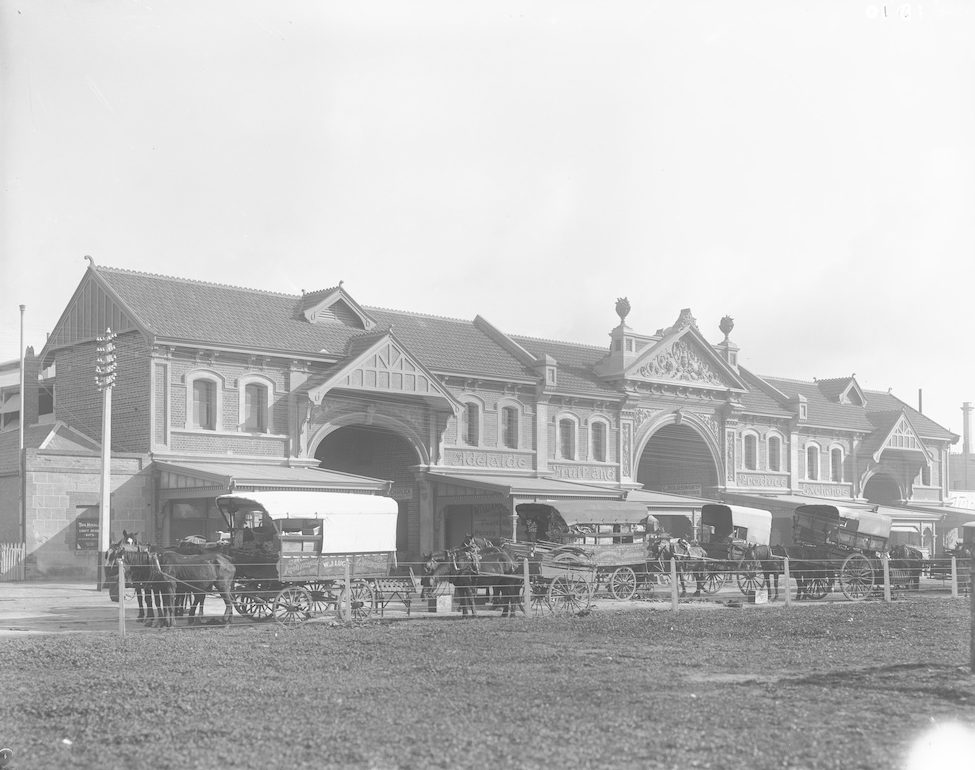
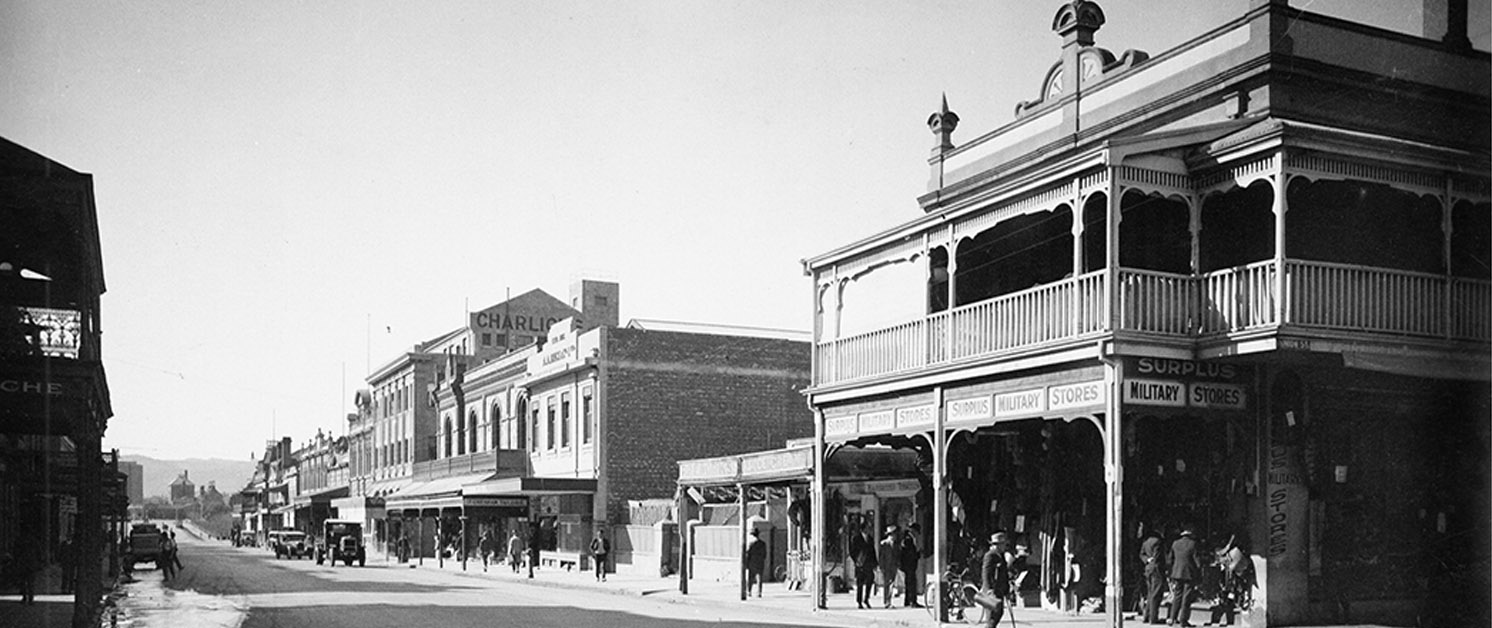
241-243 Rundle Street
Plans are approved for a two-storey double shop at 241–243 Rundle Street, on land originally held by the South Australian Company and later acquired by Richard Hall in 1862. The site had previously accommodated a single-storey building with a succession of owners, including the East End Grain and Produce Company, before being acquired by Willis Brown in 1908. From 1922, both shops are leased by William Hutton, who continues to trade from the premises until at least 1939. The building is listed as a State Heritage Place on 27 March 2013.
(1927)
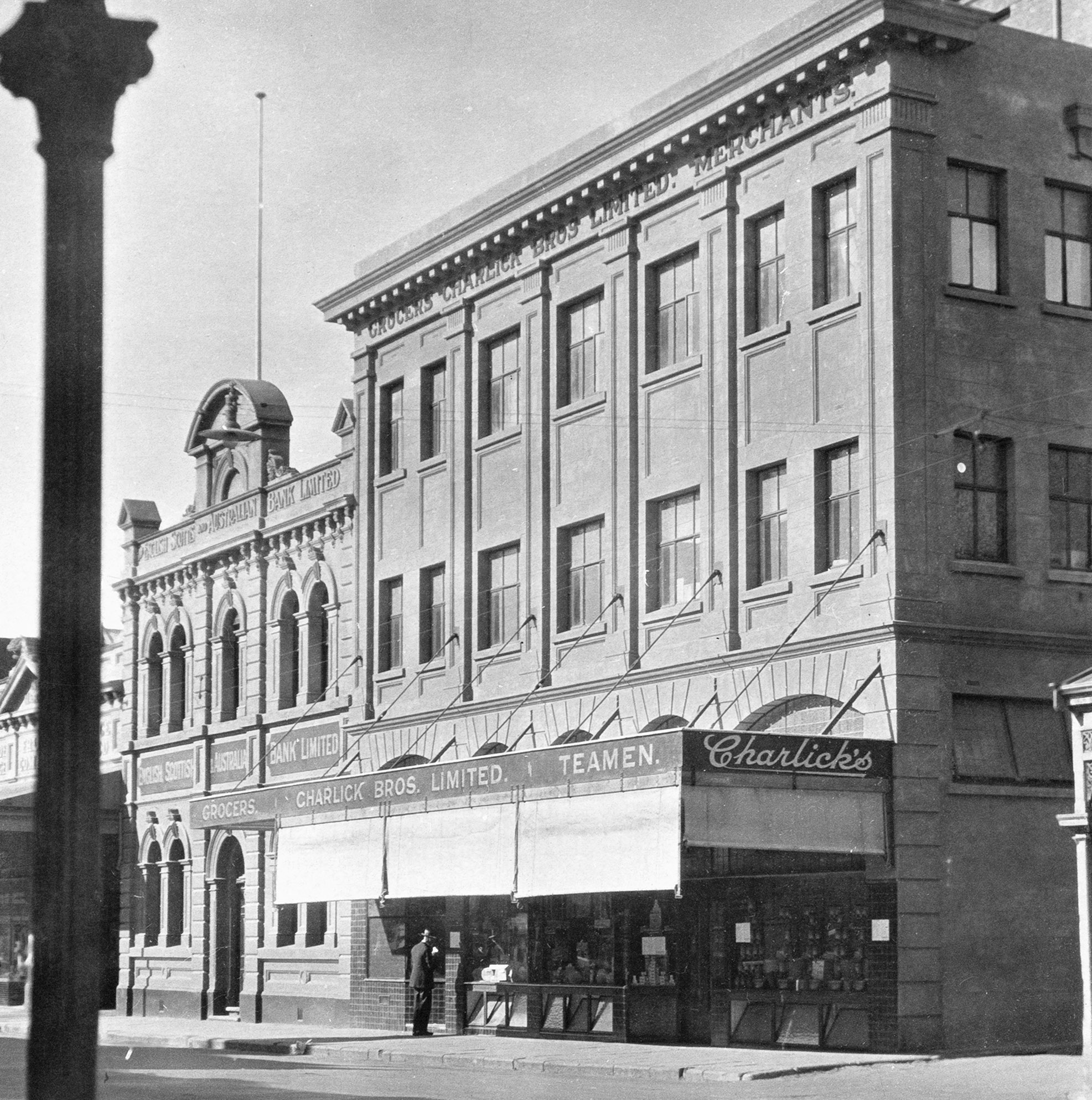
265-267 Rundle Street
265–267 Rundle Street is constructed as a new head office for Charlick Brothers, designed by architect Reginald Short and built by HJ Emery. Developed to accommodate all departments and manage country orders for the grocers and provision merchants, the building replaces earlier shops on the site following approval granted on 7 March. With an estimated construction cost of £11,000, it reflects the scale, organisation and commercial strength of wholesale trade in the East End at the time. The building is later recognised as a State Heritage Place on 27 March 2013.
(1928)
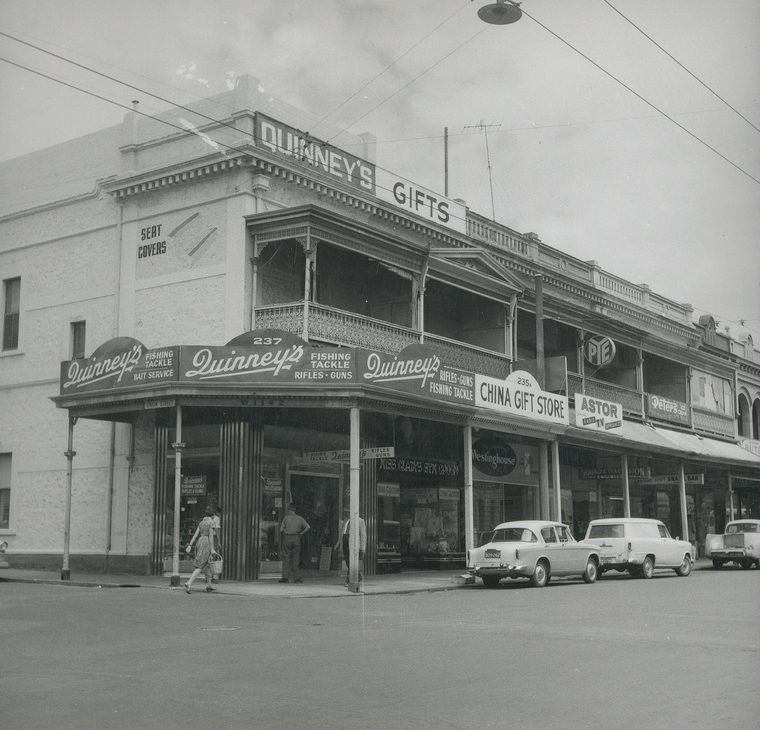
Miss Gladys Sym Choon Opens
At 16, Chinese-Australian Gladys Sym Choon opens her mini emporium at 235A Rundle Street, becoming the first woman in South Australia to incorporate a business and establishing one of the East End’s most enduring retail legacies.
(1940)
Industry Consolidation
By 1940, wholesale activity in the East End has become increasingly structured, supported by industry bodies such as the South Australian Fruitgrowers’ Association and the Adelaide Fruit & Produce Exchange. The precinct evolves beyond a marketplace into a coordinated trading network built on long-standing relationships and shared commercial interests.
(1960s)
Pressure on the City Grid
The East End Market and Adelaide Fruit and Produce Exchange begin to outgrow their inner-city setting. As trade intensifies, congestion and regular street closures highlight the mounting strain on the surrounding streets.
(1966)
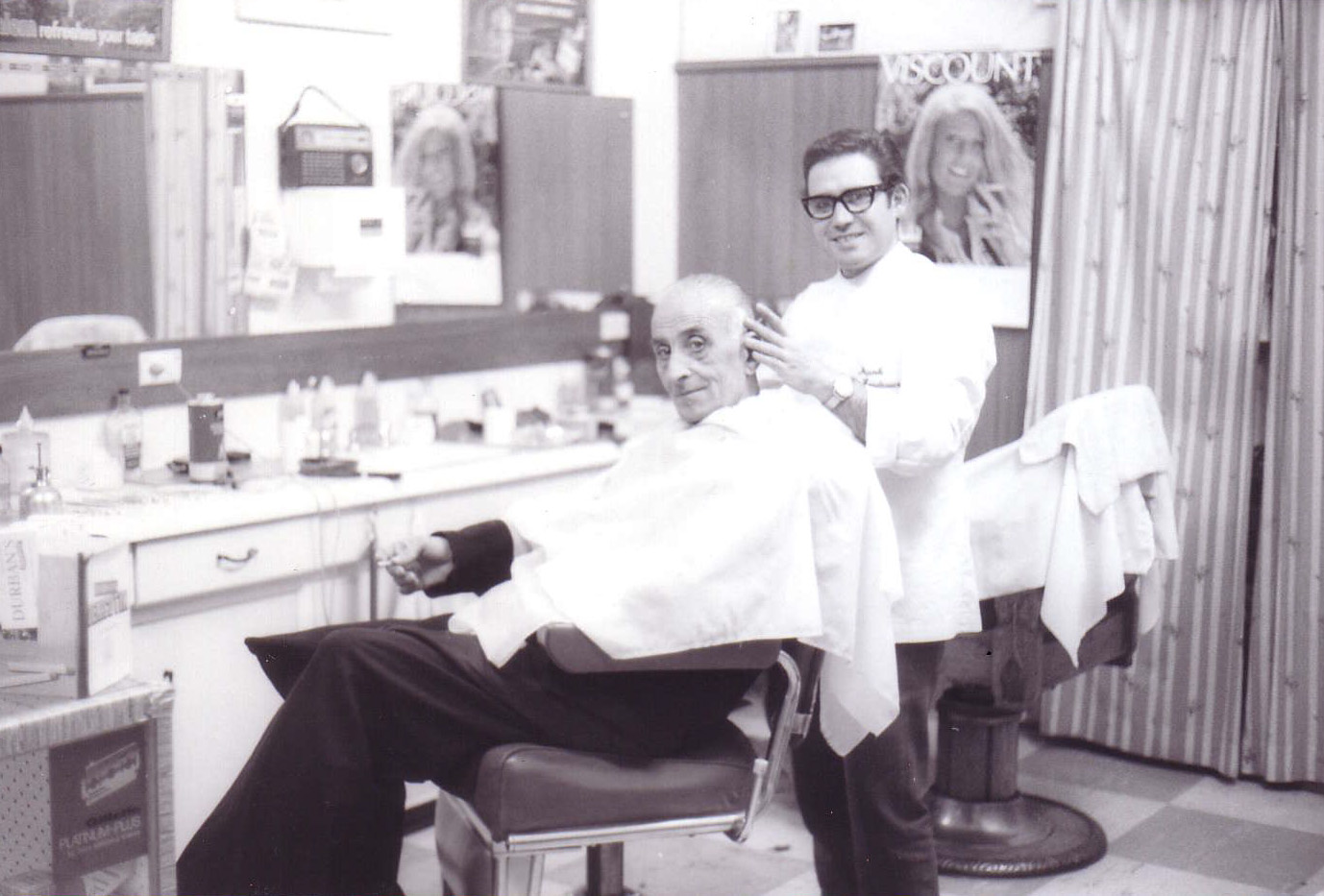
Frank Gents Hairdresser Opens
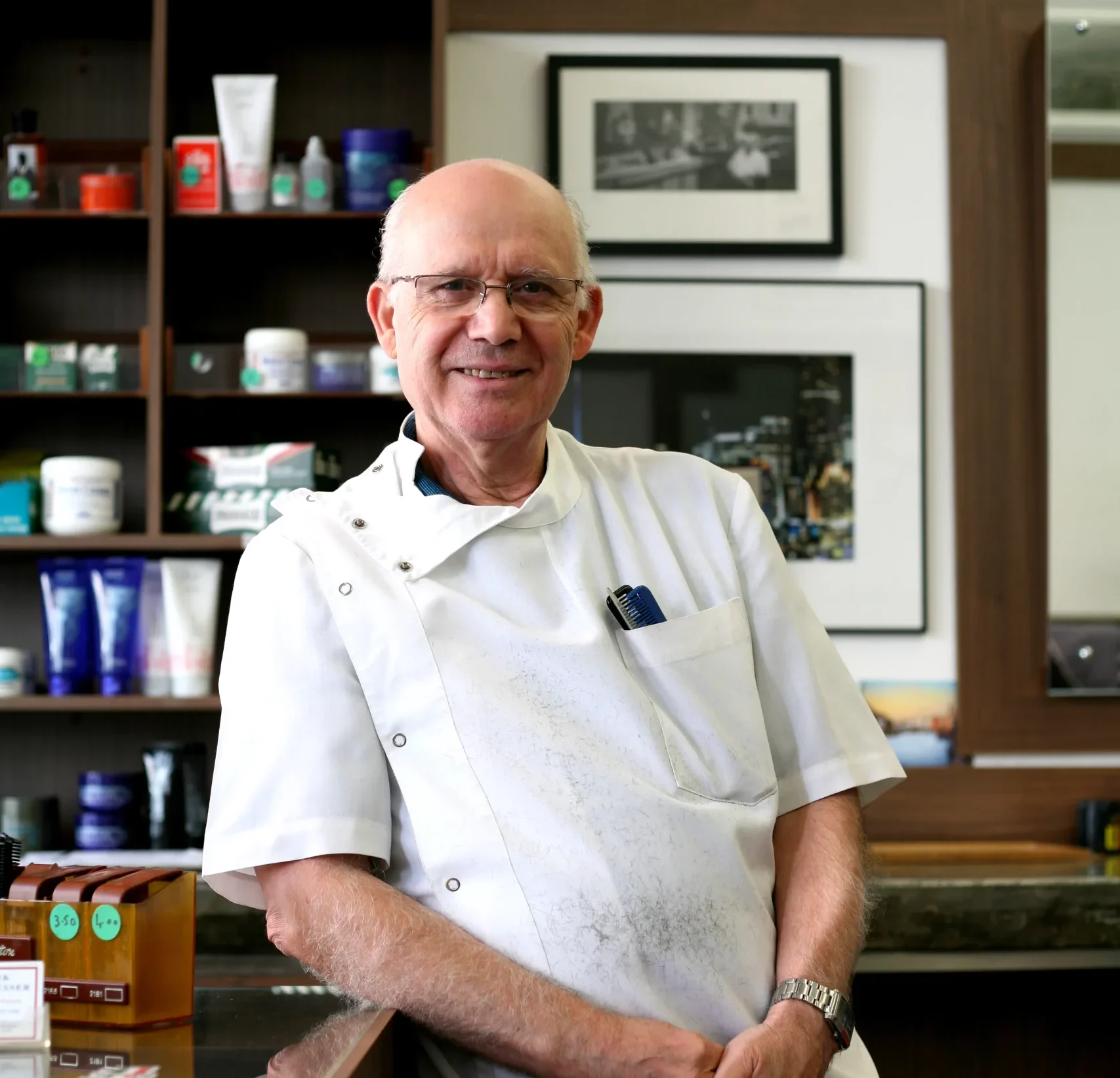
Having arrived in Australia from Sicily in 1957 at the age of 17, Frank Vaiana quickly became part of the East End’s daily life as a barber before opening Frank Gents Hairdresser in 1966, establishing what would become a long-standing fixture of the precinct.
(1975)
Market Relocation Discussions Begin
Formal discussions begin around relocating the East End Market and Adelaide Fruit and Produce Exchange from East Terrace as infrastructure pressures and logistics evolve.
(1985)
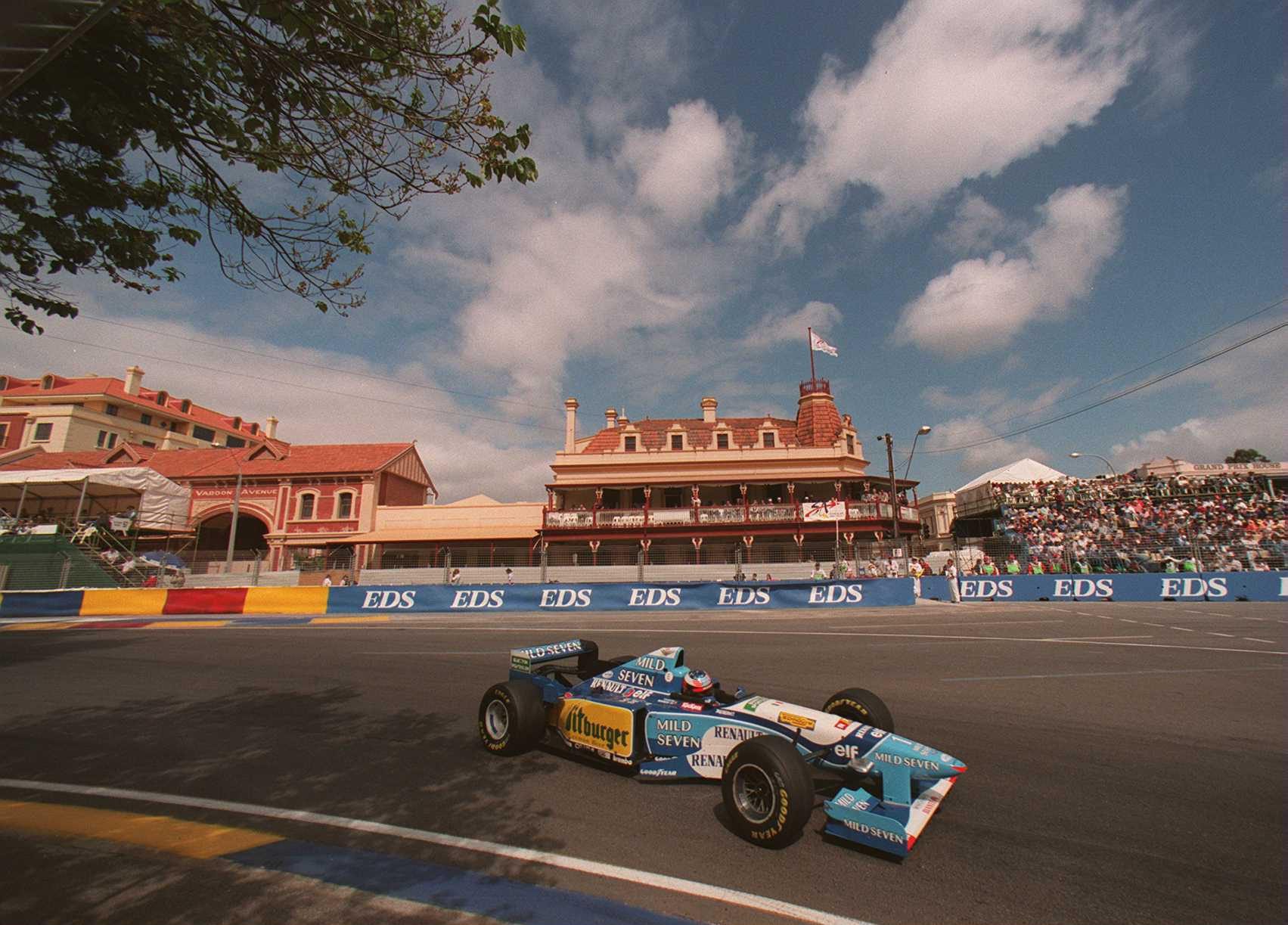
Adelaide Grand Prix Arrives
The Adelaide Grand Prix transformed Rundle Street East into a gateway to one of the world’s most celebrated street circuits. For eleven years, Formula One cars swept past the iconic Stag Corner, drawing unprecedented crowds and placing the precinct on the international stage. The circuit hosted some of Formula One’s most memorable moments, including Ayrton Senna’s final Grand Prix victory in 1993, helping cement Adelaide’s place in Grand Prix folklore. Although the event concluded in 1995 before relocating interstate, Stag Corner remains one of the defining symbols of the era and the East End’s enduring place in Formula One history.
(1988)
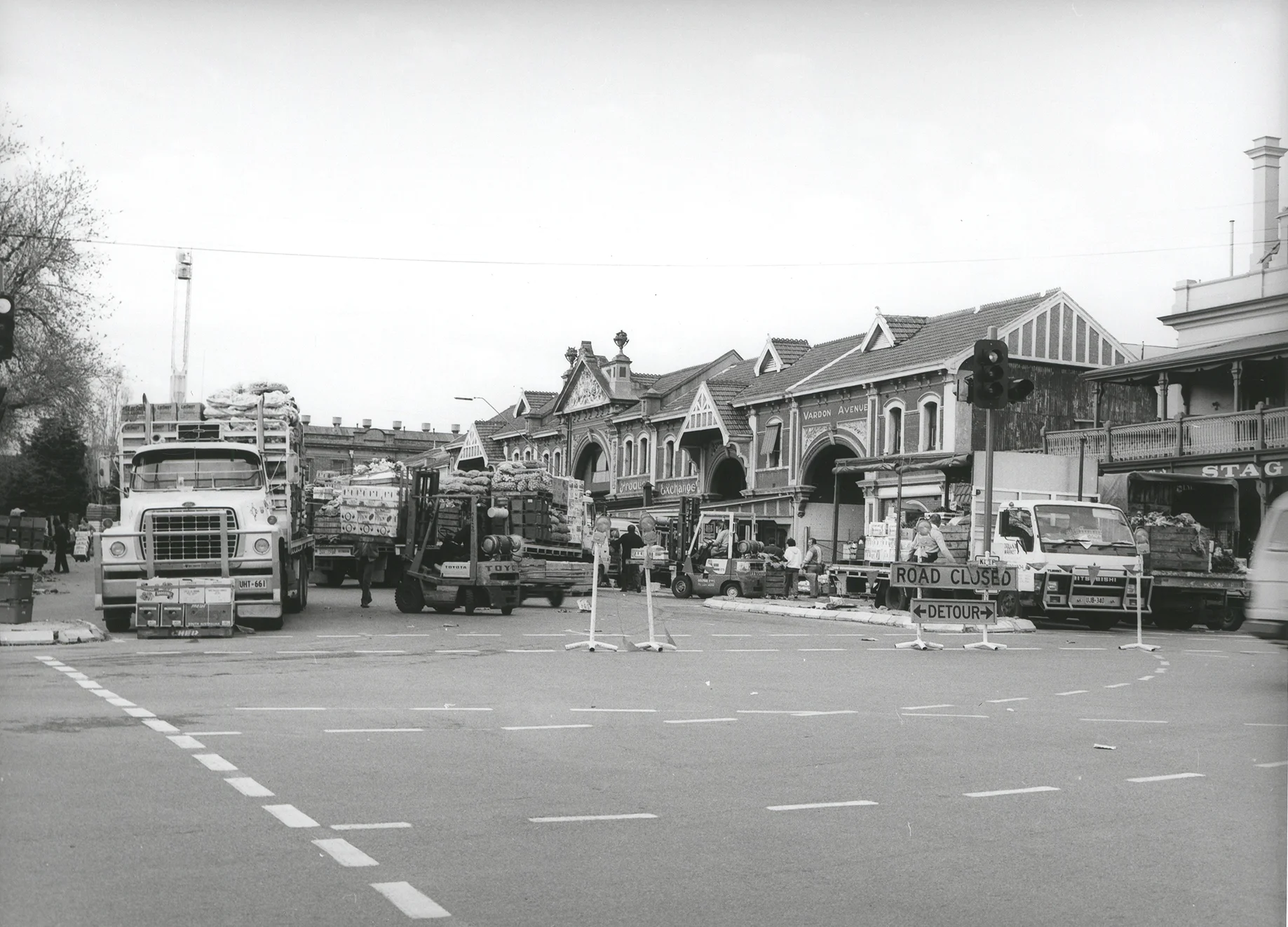
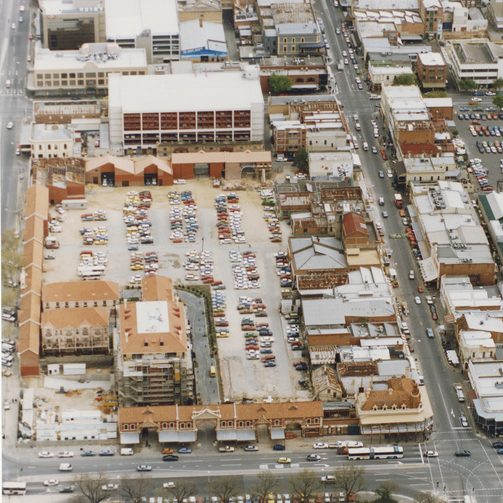
The East End Markets Close
In October 1988, after more than a century of continuous trade, the East End Markets close and relocate to Pooraka. Their departure marks the end of a defining era and unlocks a rare four-acre redevelopment site, setting the stage for the precinct’s transformation.
(1991)
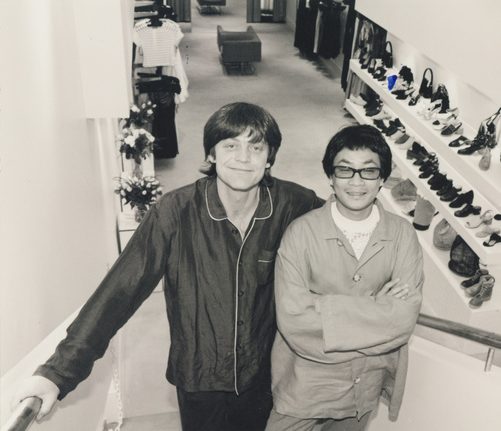
Miss Gladys Sym Choon Enters a New Era
63 years after its founding, Miss Gladys Sym Choon passes to fashion visionaries Joff Chappel and Razak. With its original vitriolite and chrome façade intact, the store remains a defining retail landmark.
(1992)
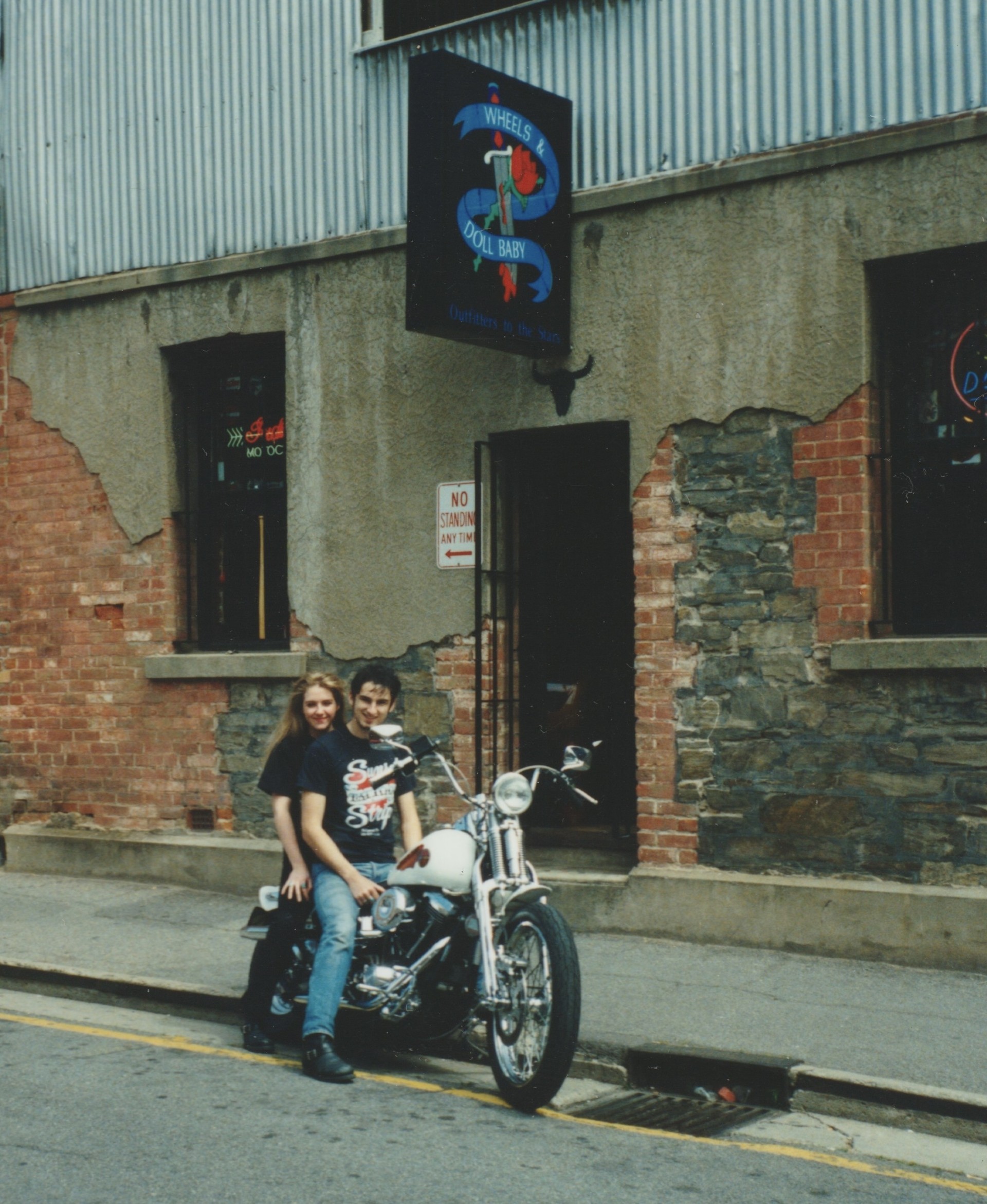
Midwest Trader Opens
Inspired by vintage retail culture on Melrose Avenue and the Sunset Strip in early 1990s Los Angeles, Midwest Trader is founded by Kate Tomkins and Jad Green. Originally opening on Union Street before relocating to Ebenezer Place where it continues to operate today.
(1993)
Garden East Development Commences
Following the closure and relocation of the East End Markets, redevelopment of the former market site begins under the Garden East project. The State Government of South Australia appoints Rundle East Company Pty Ltd, a Maras Group (then Mancorp) entity, in joint venture with the Liberman Group, to deliver the transformation.
Conceived as a carefully planned and co-ordinated multi-function precinct, Garden East is designed to reimagine the site through a combination of medium-to-high density residential apartments and townhouses, alongside an integrated mix of retail, hospitality and commercial uses. At the time, the project represents one of the most significant inner-city regeneration initiatives in Adelaide following the economic downturn of the late 1980s and early 1990s.
Rundle East Company plays a central role in shaping the commercial and retail environment, ensuring activation at ground level and long-term precinct viability, while the Liberman Group coordinates the delivery of multiple award-winning residential buildings across the site, ultimately introducing housing for more than 500 residents and establishing a new model for inner-city living.
Importantly, the development adopts a considered approach to heritage, retaining and integrating historic façades and buildings to preserve the character of the East End. This balance between old and new defines the precinct’s identity, creating a distinctive ‘village’ environment within the CBD.
Garden East marks a decisive shift in the East End’s evolution, transforming it from a wholesale trading hub into a mixed-use lifestyle destination and laying the foundation for the precinct’s ongoing growth in retail, hospitality and cultural activity.
Today, many of the buildings along Rundle Street East remain under the ownership of Rundle East Company, led by directors Theo and Steve Maras, who have been largely responsible for the rejuvenation of the East End over the past two decades. Both Theo and Steve are committed to continually improving and enhancing Rundle Street East and its surrounding environs, ensuring it remains Adelaide’s benchmark precinct for future generations to enjoy.
(1995)
A Bohemian Precinct Emerges
By the mid-1990s, the East End develops a distinct ‘Bohemian’ character, attracting artists, creatives and independent businesses. This period establishes the precinct’s cultural identity, supporting a diverse mix of retail, hospitality and creative enterprise and reinforcing its role as a natural hub for the Adelaide Fringe.
(1995)
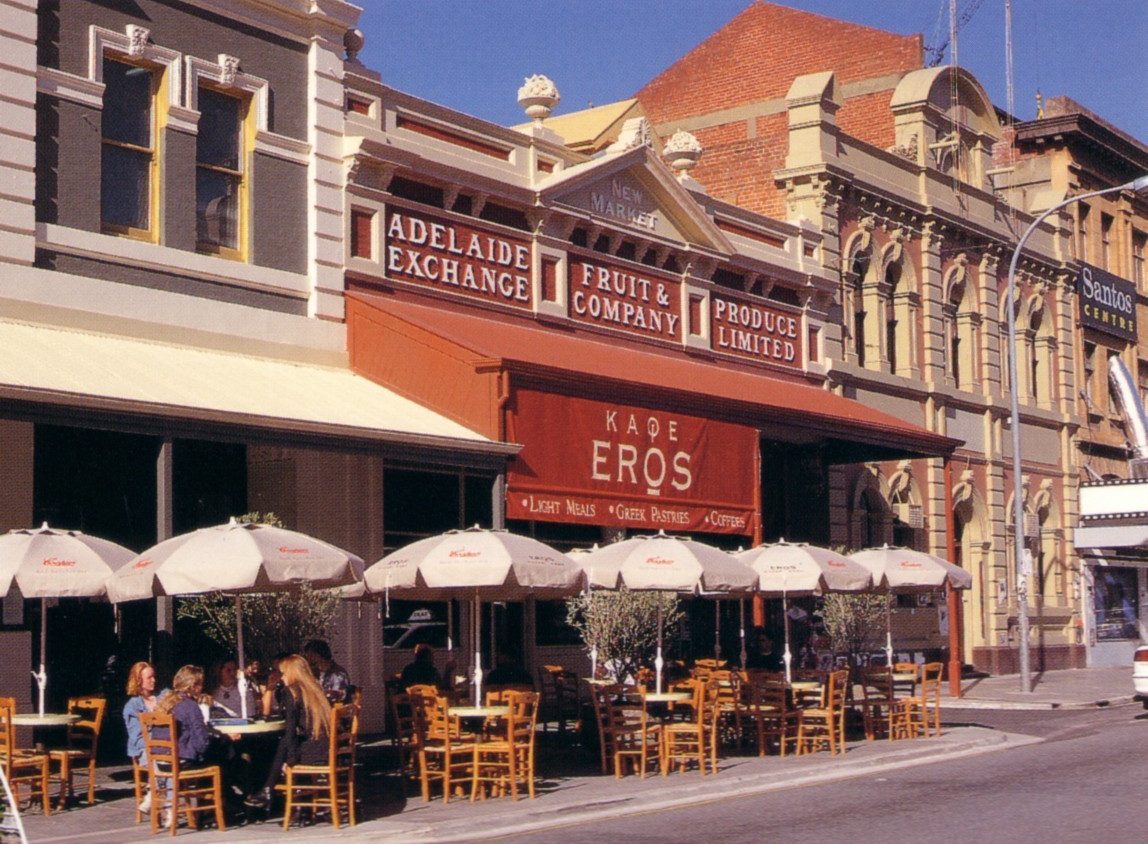
Eros Kafe Established
Jim Dimitropoulos opens Eros Ouzeri and Eros Kafe at 275 Rundle Street, continuing a family connection to the East End Markets. Eros Ouzeri is later sold in 2007, while Eros Kafe remains a longstanding presence in the precinct.
(2000)
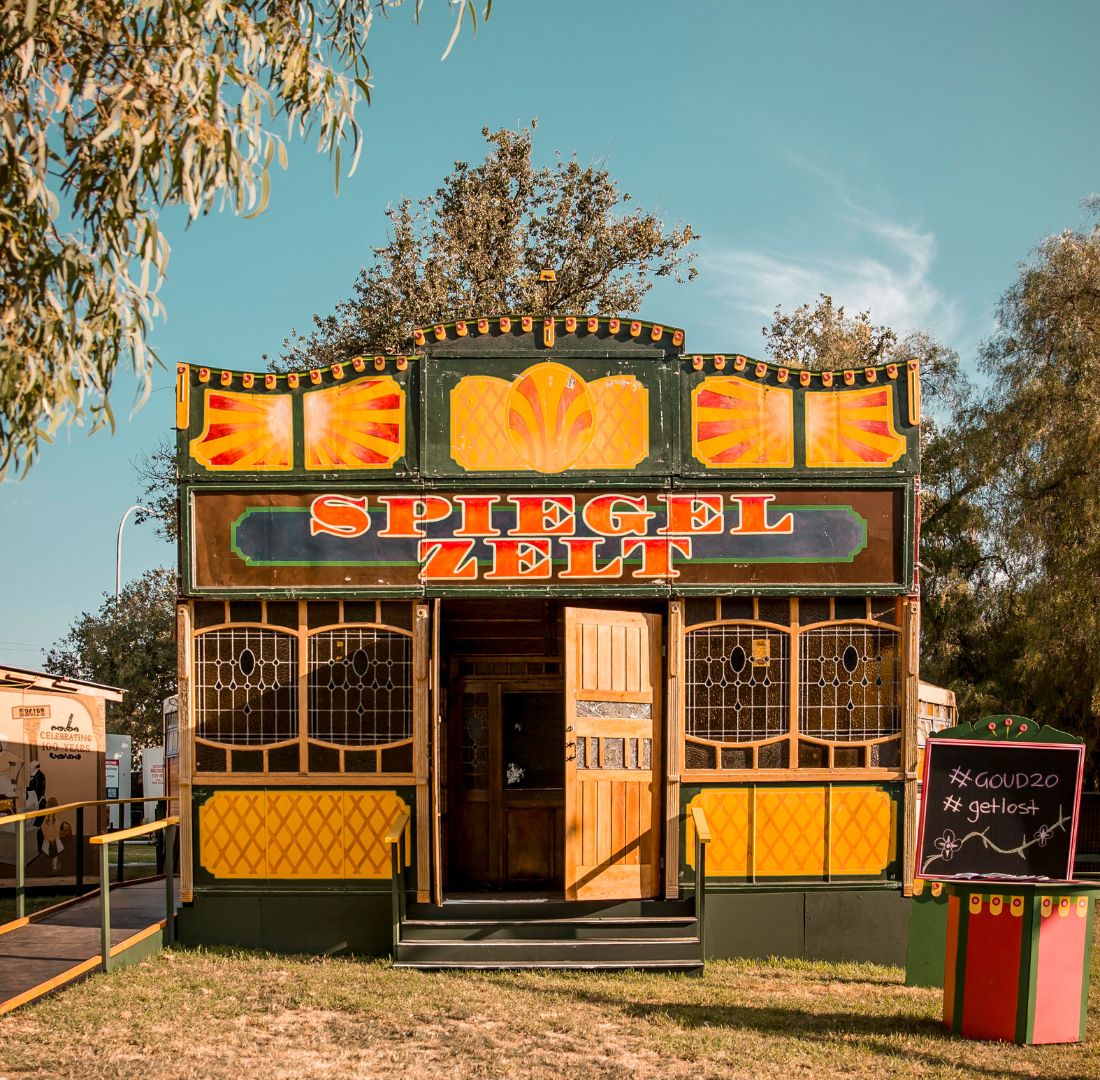
The Garden of Unearthly Delights Begins
The Garden of Unearthly Delights opens with a single Spiegeltent in Kadlitpina / Rundle Park over time it will grow into Australia’s most dynamic outdoor festival precinct hosting over 750,000 visitors annually as part of the Adelaide Fringe Festival.
(2010)
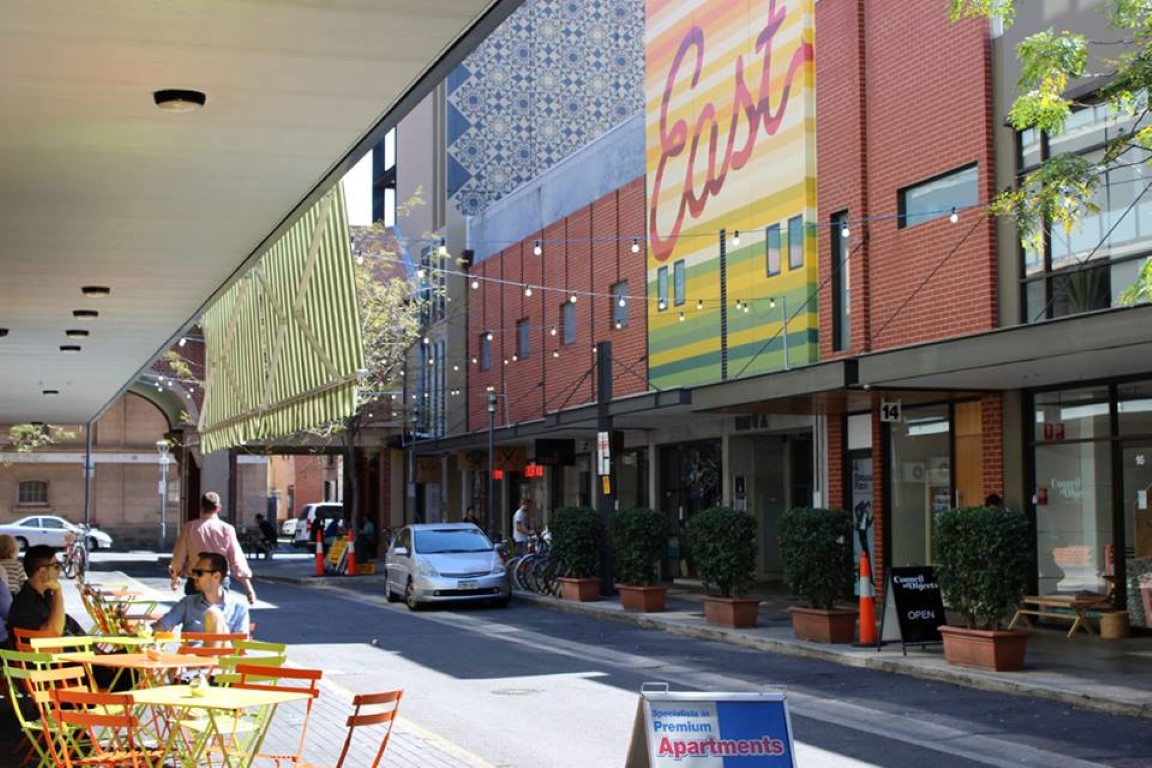
Rundle Street East Brand Established
Maras Group establishes the Rundle Street East brand, recognising the need for a unified identity to promote the precinct. This moment marks the beginning of a long-term approach to placemaking, spanning marketing, events, streetscape activation and collaboration with local traders.
(2011)
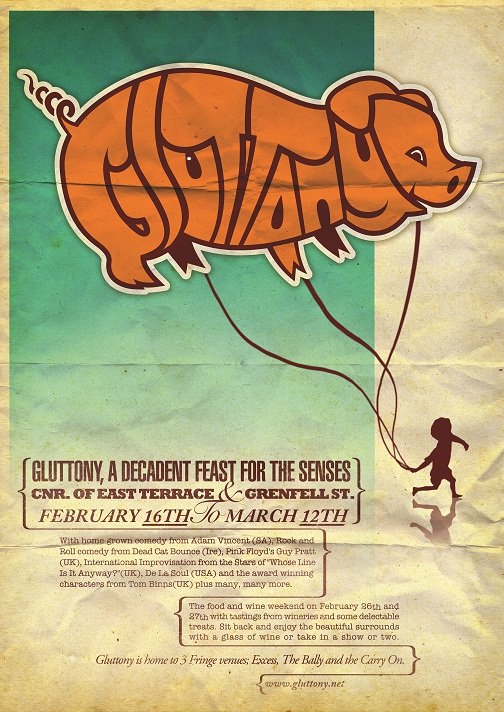
Gluttony Begins
Gluttony opens in Murlawirrapurka / Rymill Park as part of the Adelaide Fringe, evolving into a key festival destination known for its blend of performance, food and wine during the Festival Season.
(2011)
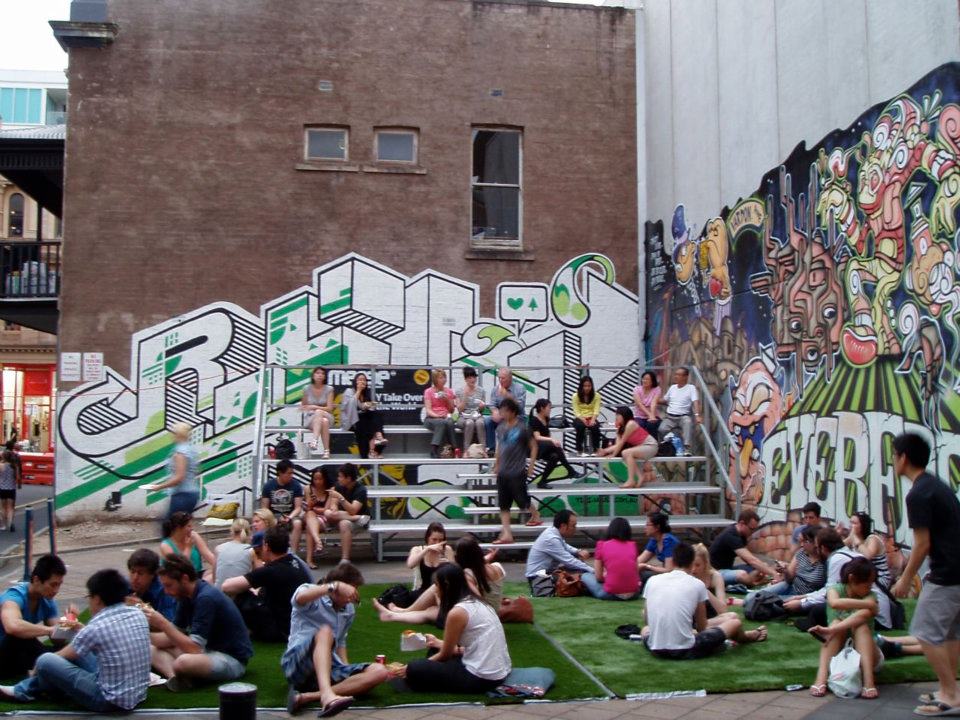
Ebenezer Night Markets Begin
Ebenezer Place is closed for a series of activations known as Summer Fridays in the East End, an initiative led by the East End Coordination Group. Supported by the City of Adelaide and Maras Group, the program evolves into the Ebenezer Night Markets, establishing a new model for laneway activation and community-led placemaking.
(2016)
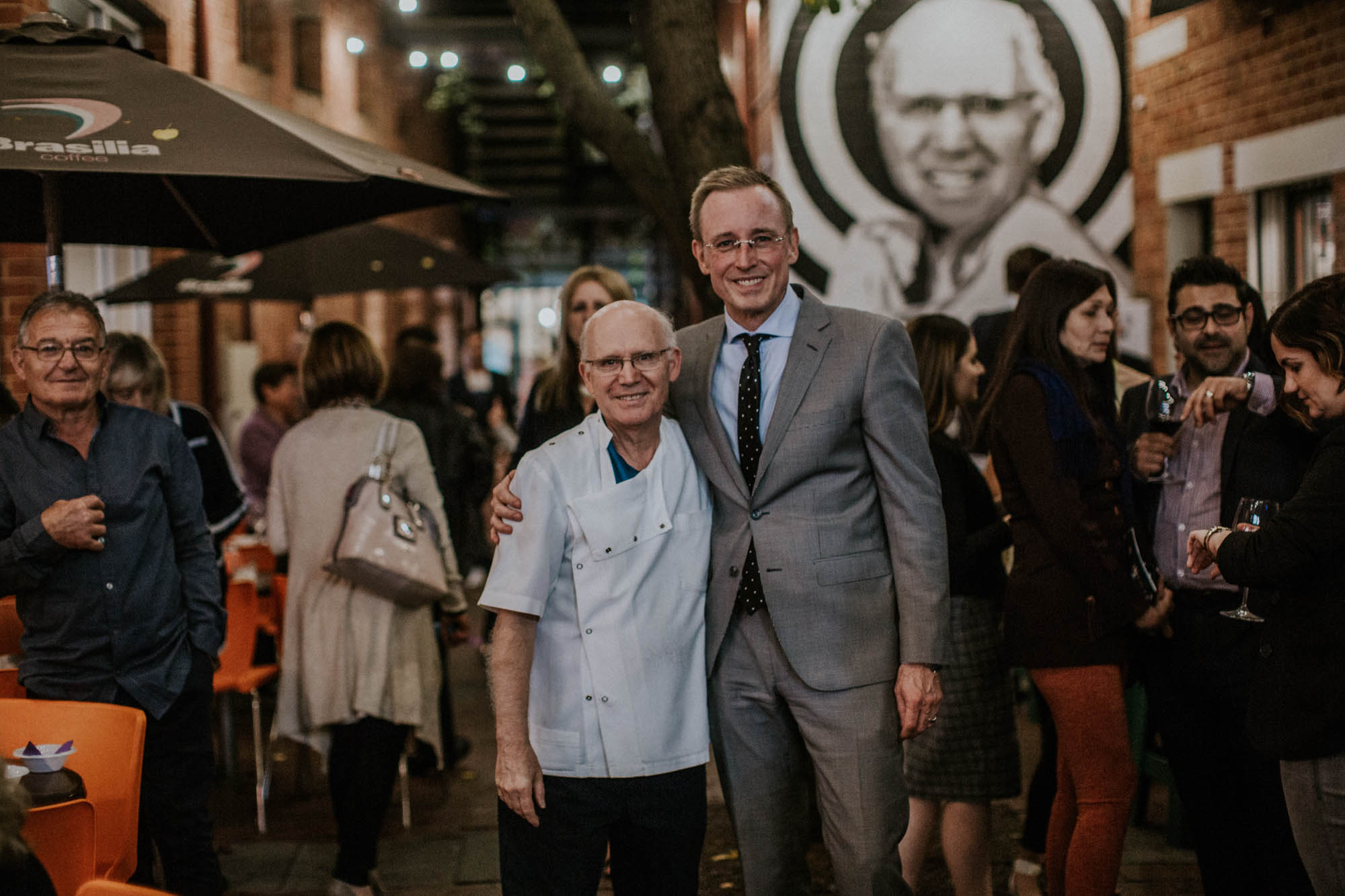
Frank’s Lane Unveiled
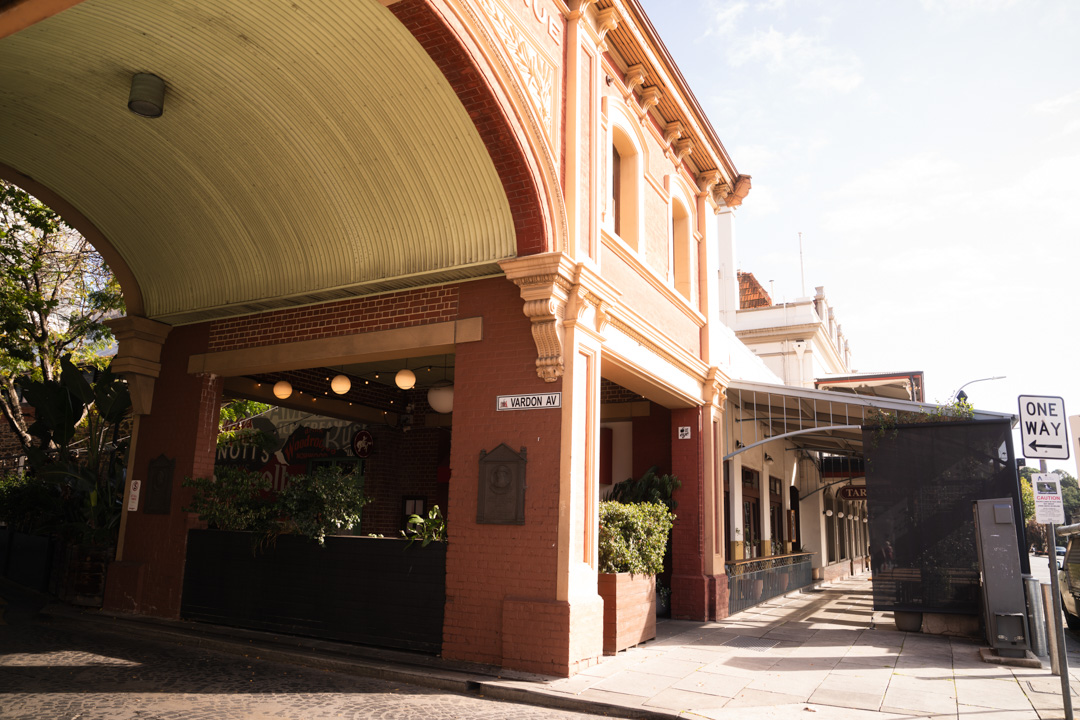
A portrait of Frank Vaiana is painted in the private laneway connecting Rundle Street to Vardon Avenue as part of the Adelaide Fringe, with the space subsequently named Frank’s Lane and revealed during a surprise celebration organised by Maras Group.
(2016)
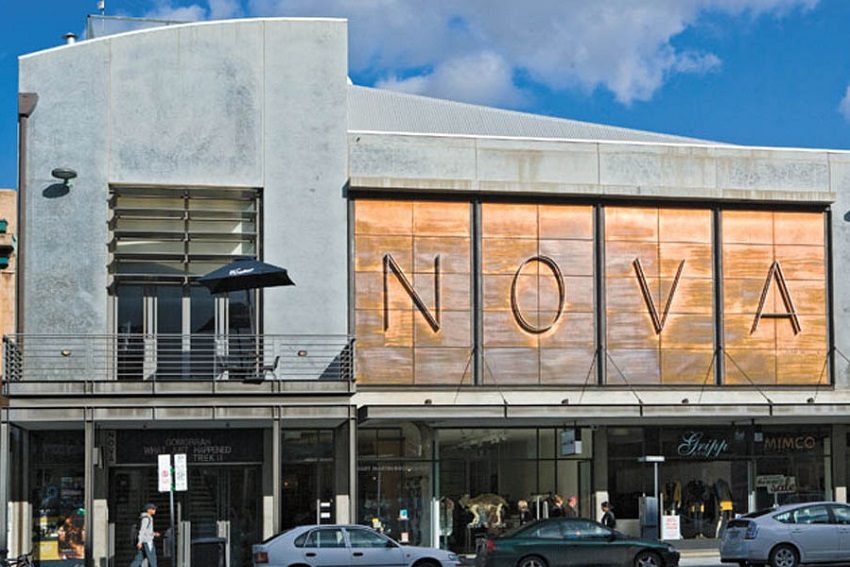
Palace Nova Consolidates
In November 2016, Palace Nova announces the closure of its original Rundle Street cinema, consolidating operations into an expanded and refurbished Palace complex across the road. With it, a familiar East End quirk fades, the enduring confusion of whether your film was at Nova or Palace.
(2018)
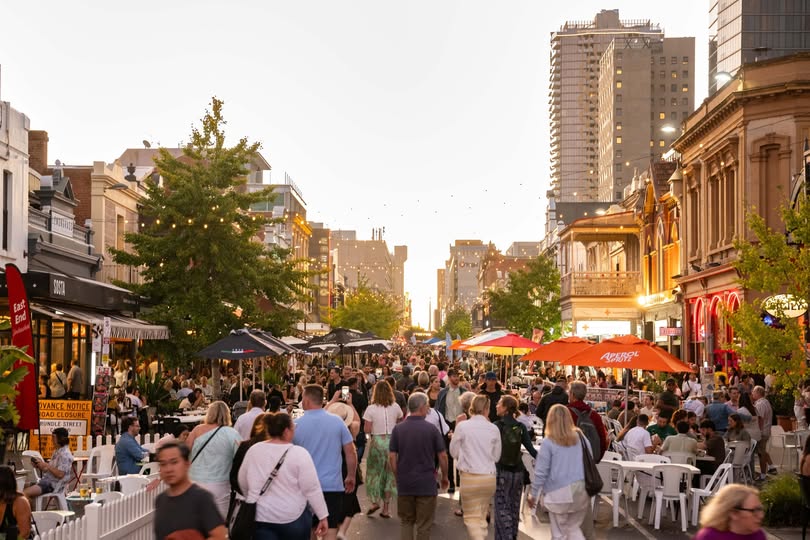
East End Unleashed Launches
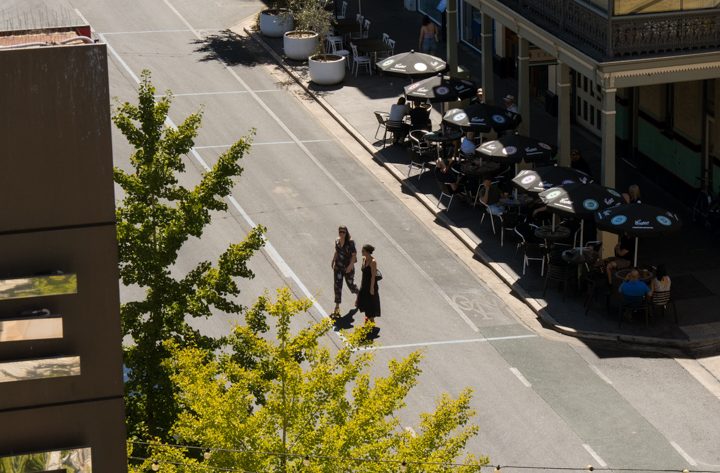
The City of Adelaide introduces East End Unleashed, a street-based dining and festival activation that sees Rundle Street closed each Friday, Saturday and Sunday during the Adelaide Fringe. Hospitality venues extend into the public realm, reshaping the precinct as an open-air destination. What begins as a structured initiative quickly becomes synonymous with the East End during festival season, drawing hundreds of thousands each year and establishing an unmistakable atmosphere that continues to define the street.
(2019)
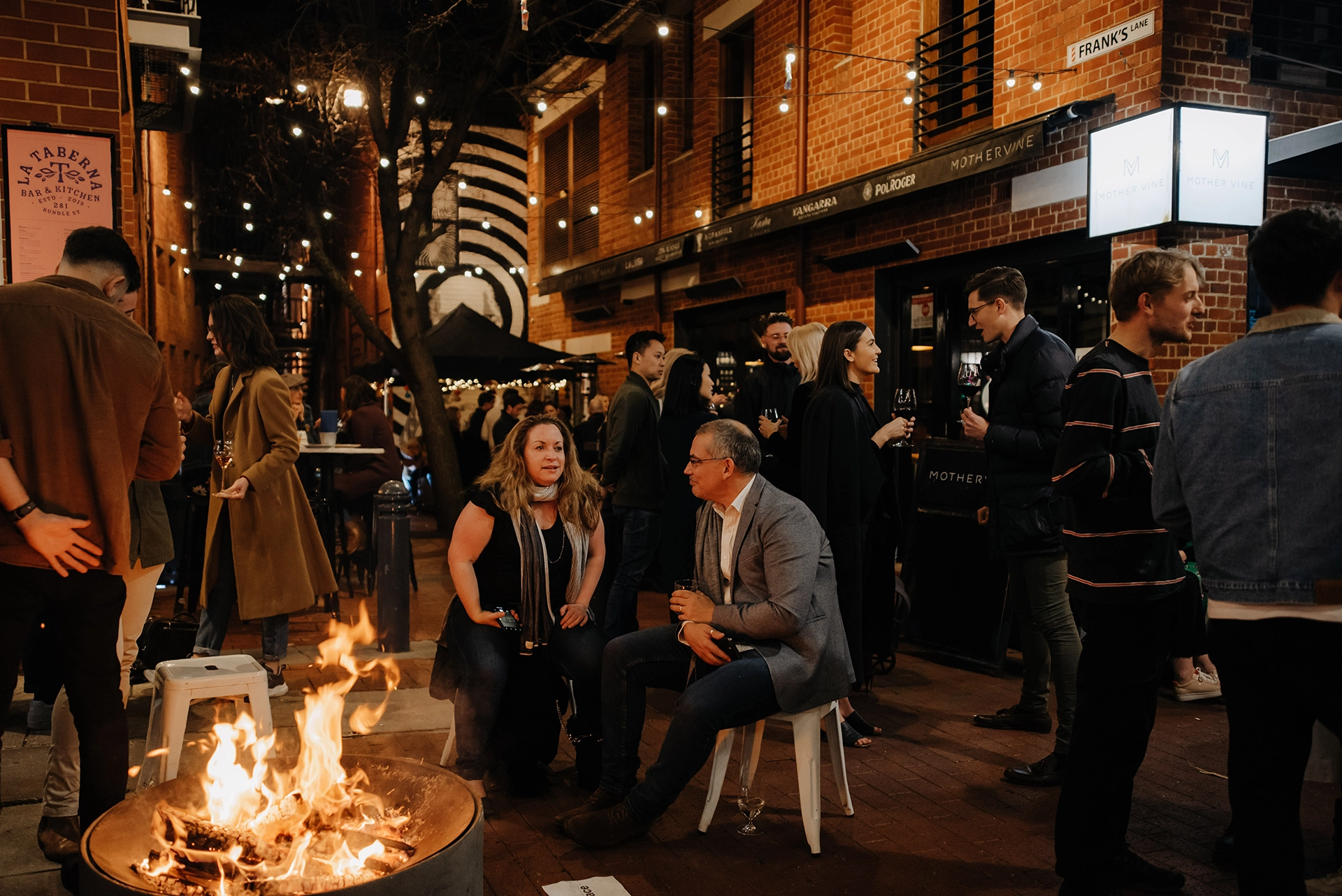
Winter Weekends Launches
Winter Weekends is introduced in the East End as a precinct-led initiative by Maras Group, supported by the City of Adelaide, activating Rundle Street and its surrounding laneways across July and August. Built around live music, extended hospitality and a network of fire pits placed throughout the precinct, the program brings warmth and energy to winter evenings, reshaping how the East End is experienced after dark in the colder months.
(2021)
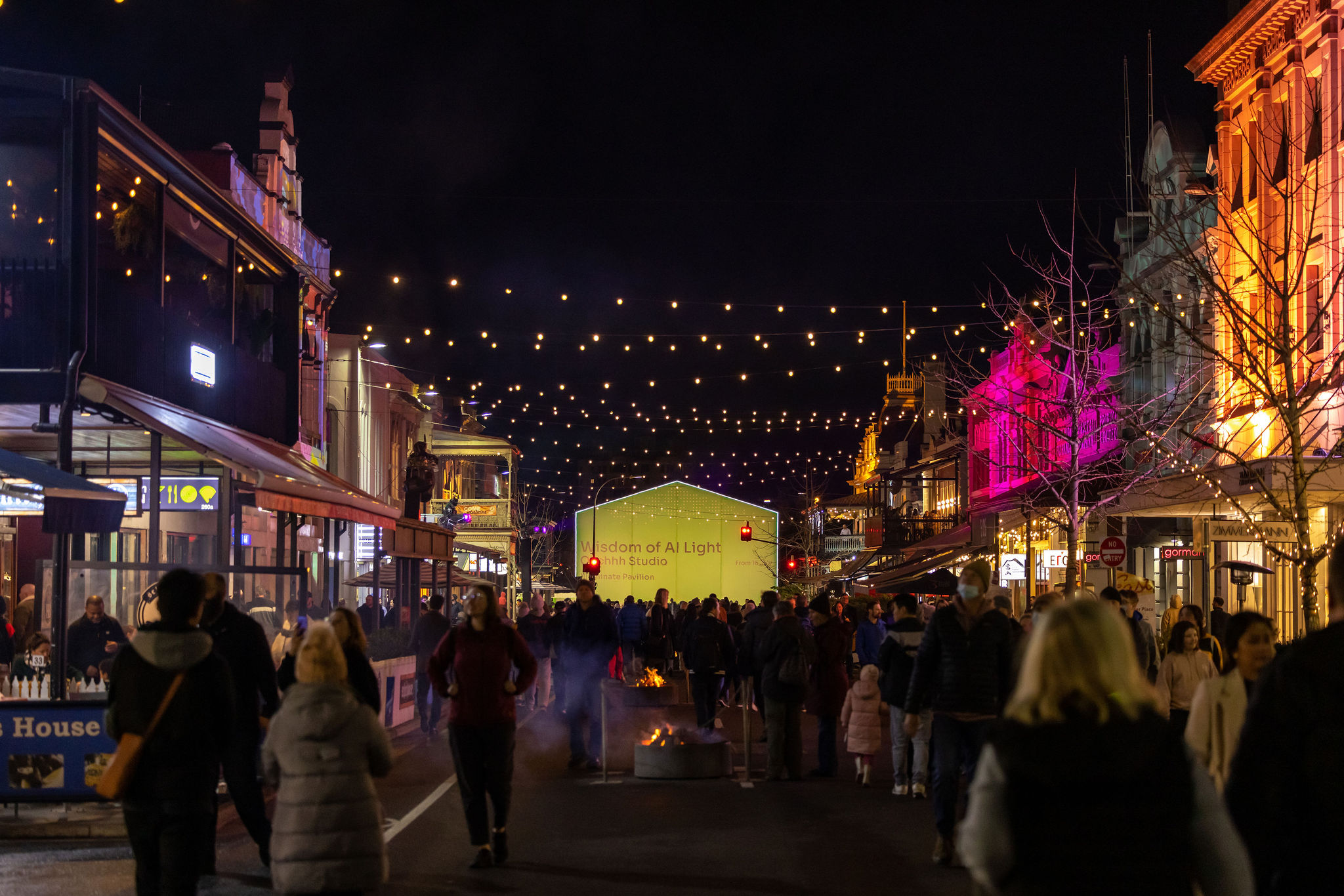
Illuminate Adelaide Launches
Illuminate Adelaide launches in its inaugural year, activating Rundle Street in winter for the first time. Through large-scale projections, immersive light installations and street-based elements including fire pits, the precinct draws significant crowds and introduces a new seasonal layer to the East End’s activation calendar.
(2022)
Frank the Barber Retires
On 2 January 2022, Frank Vaiana retires at 82 after 65 years of continuous trade in the East End, closing one of the precinct’s longest-running personal legacies. Known for his simplicity and consistency, his $20 haircut at the time of retirement became a rare constant in a changing city.
(Today)
Rundle Street East
A cosmopolitan boulevard where heritage façades meet contemporary retail, dining and culture. A precinct shaped not by a single moment, but by the accumulation of stories, enterprise and reinvention.